Mastering Drywall: Tips for a Seamless Installation by BlueLine May 22, 2026
To begin with, preparation is crucial. Before you even touch a piece of drywall, ensure the workspace is properly set up. Clear the area and make sure all necessary tools are at hand, including a drywall saw, a T-square, screw gun, and a utility knife. Additionally, it's important to measure the space accurately and cut your drywall panels to fit snugly without forcing or bending them.
Once your materials are ready, you can begin the installation process. Start by anchoring the drywall panels to the framework with drywall screws. It is vital to ensure the screws are driven below the surface but not so deep that they puncture the drywall’s surface. This prevents the common issue of popped screws which can create bumps and require additional repairs later.
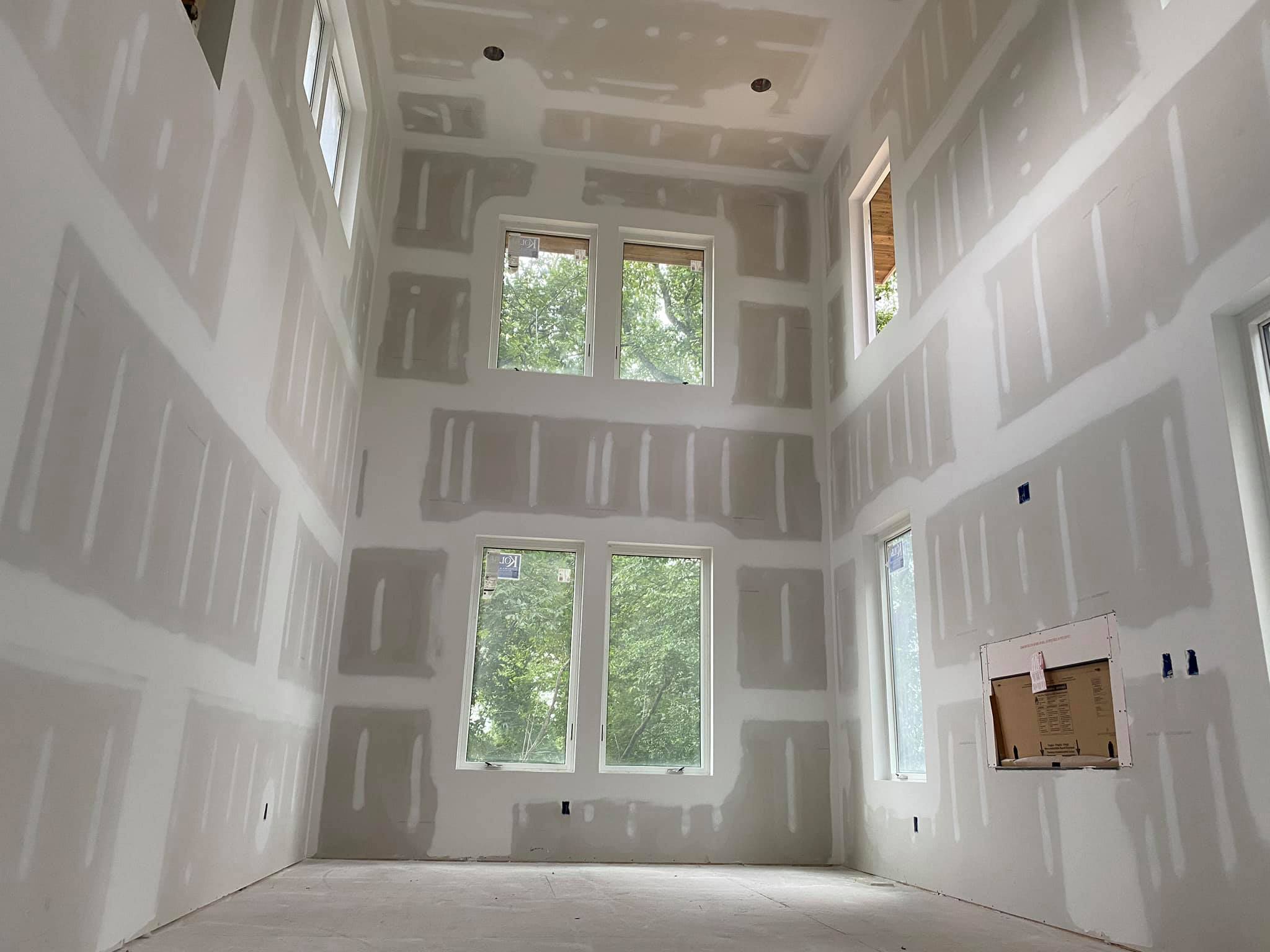
A critical step in achieving a seamless finish is the taping and mudding process. Begin by applying joint tape to all seams between drywall panels. At BlueLine Drywall, we recommend paper tape as it offers more stability and less susceptibility to cracking compared to mesh tape. After applying the tape, use joint compound to cover the tape and screws. Be consistent with your application, ensuring that you cover seams, screws, and any imperfections evenly.
One of the secrets to mastering drywall is understanding that patience is key. Allow ample time for the joint compound to dry completely between coats, usually a day. After the first layer is dry, lightly sand to smooth any ridges. Follow this with additional coats of compound, sanding gently between each coat. Typically, three layers of joint compound will suffice for a smooth finish.
In addition to preparation and patience, choosing the right type of drywall is essential. Factors such as room location and moisture levels can influence your choice. For instance, moisture-resistant drywall, often referred to as "green board," is ideal for bathrooms and areas exposed to humidity. Conversely, for ceilings in living areas, consider lightweight drywall to minimize sagging.
Once your drywall is smooth and sanded, you’ll want to prepare the surface for painting. Start with a coat of primer, as this helps seal the surface and improve paint adhesion, ensuring a uniform finish. This step can make a significant difference in the final appearance and durability of your walls.
Finally, take the opportunity to address any safety considerations. Always wear protective gear, including safety goggles and a dust mask, especially when cutting or sanding drywall to prevent inhalation of dust particles.
By implementing these tips from BlueLine Drywall, you're well on your way to achieving professional-level results in your drywall projects. While mastering drywall may seem daunting, with the right approach and attention to detail, you can enjoy walls and ceilings that are not only structurally sound but also aesthetically pleasing. Whether you're working on a new build or a renovation, a seamless drywall installation is within your reach.
/filters:no_upscale()/filters:format(webp)/media/a88b9d0d-9729-4bd5-af18-744599cac56b.jpeg)